Premium Managed Offices
Key takeaways
- Per JLL's summary, Haryana's 2026 policy offers capex reimbursement of 50% in non-TOD Gurugram and 65% in Gurugram TOD zones, capped at ₹150 crore per project.
- Operating-expense support runs 5 years in non-TOD Gurugram and 7 years in Gurugram TOD zones, with up to 9 years in some other districts.
- Rent reimbursement is available, structured as a share of actual rent capped by property valuation. Whether a managed-office fee counts as rent is a question to confirm, not assume.
- Eligibility has conditions, reported to include start dates, minimum headcount and captive-only operations. Read the notified text and take professional advice before relying on any figure.
- Choose the office so that it does not undermine eligibility, then let the incentive improve the economics rather than drive the decision.
- Policy eligibility often depends on headcount and timing, so check how a Nano GCC of high-impact compact teams fits the thresholds before assuming any incentive applies.
A state that wants your global capability center will often pay for part of it. That sentence is easy to write and hard to use, because incentives are conditional, calculated against specific cost heads and administered by officials who will ask for documentation. The office you choose is one of those cost heads, so it is worth understanding how the 2026 Haryana policy treats it before you sign anything.
This post is a practical reading of the policy as summarised by JLL and others, written for finance and real estate leads rather than lawyers. It is not legal or tax advice, and the details of eligibility and calculation are in the notified policy itself. Where we are relying on a secondary summary, we say so.
What the policy is trying to do
The Government of Haryana notified its Global Capability Centres Policy in 2026. Published summaries say the aim is to attract more than 100 new GCCs over the policy period and to create over 30,000 skilled jobs. It also promotes Tier-II locations such as Panchkula and Hisar as emerging GCC destinations. For Gurugram, which is already the state's main commercial hub, the policy is a way to keep winning new centers against Bengaluru, Hyderabad, Pune and others.
The incentive structure, in plain terms
JLL's summary of the framework gives the following headline structure. We quote figures as reported there, and recommend you verify each against the notified text.
| Incentive | Gurugram non-TOD | Gurugram TOD zones | Selected other districts |
|---|---|---|---|
| Capex reimbursement | 50% | 65% | 75% |
| Opex support duration | 5 years | 7 years | 9 years |
| Capex cap | ₹150 crore per project | ||
| Annual opex cap | ₹0.75 crore per 100 employees or ₹15 crore per year, whichever is lower | ||
| Other features | Up to ₹1 lakh per employee employment support, enhanced for women and special categories; up to ₹50 crore capital support for R&D centers; 7-working-day payment clearing and 8% interest on delayed disbursement | ||
TOD stands for transit-oriented development. In plain terms, locations that sit within designated zones around mass transit get richer support than other parts of Gurugram. That makes the exact address a financial variable, not just a convenience one.
Why the capex line matters less to a managed-office tenant
Capex reimbursement is calculated on eligible capital expenditure. A company that leases a bare shell and builds out its interior will have a large fit-out line to claim against. A company that moves into a managed office has little fit-out capex of its own, because the operator has already built and furnished the space. That is a trade-off to price honestly: managed offices lower upfront spend and speed up occupancy, but they may leave less to claim under a capex-based incentive. Whether the other incentives, particularly operating and employment-linked support, compensate is a case-by-case calculation.

Rent support: read the fine print on what counts as rent
JLL's summary describes a rent reimbursement component in which eligible rent is recognised at up to 75% of actual rent, subject to a cap tied to property valuation, and then reimbursed at the applicable tiered rate of 50% to 65% depending on location. That structure was written with conventional leases in mind.
A managed-office fee bundles rent with services: housekeeping, power backup, reception, internet and meeting credits. Whether the authorities treat the whole fee, or only an identifiable rent component, as eligible rent is exactly the kind of question that should be answered before the contract is signed. Ask the operator whether it can provide an invoice that separates the elements, and ask your adviser whether that is sufficient.
Questions to settle before you count on any figure
- Eligibility dates: reported conditions include a start of commercial operations on or after a specified date in 2026. Check that your plan falls inside it.
- Headcount thresholds: secondary summaries mention minimum employee counts within a set period, with statutory registrations. Confirm the exact numbers and timeline.
- Captive-only operations: reported conditions say the unit must serve only its own group. Confirm how that interacts with any shared-services arrangement.
- Location status: check whether your intended building falls in a TOD zone. Ask for evidence, not an assurance from a broker.
- Documentation: understand what invoices, lease or licence agreements and proof of payment will be required, and whether your office arrangement can provide them.
How to fold the policy into the office decision
- Decide the office on its merits first. Talent access, commute, security, speed and flexibility.
- Then test the incentive against each finalist. Ask your adviser to model the benefit for a leased floor and for a managed office, including the effect of the lower capex in the second case.
- Check the address against policy zones. Corridors like Golf Course Road, Golf Course Extension Road and Cyber City are not all treated identically in every scheme.
- Get the operator's documentation position in writing. Invoice format, itemisation and notice periods affect claims.
- Build the timeline around the policy's start date. A delay in occupancy can matter if eligibility depends on when operations begin.
Nano GCCs and the policy thresholds
Incentive schemes are usually written with a minimum scale in mind. Secondary summaries of the Haryana policy mention minimum headcount conditions within a set period, though we have not verified the exact numbers. For a Nano GCC built around high-impact compact teams, that is the first question to settle: at what headcount, and by when, would the center qualify?
The answer can shape the plan. A center that expects to stay at 30 people may be outside the scheme, while one that intends to scale in stages may reach it. Ask your adviser to model both paths, and choose an office that supports the staged route without forcing a premature lease.
A document checklist for claim readiness
Whatever the incentive terms turn out to be for your project, disbursement tends to depend on evidence. Your finance team should assemble the paper trail from the first month rather than reconstruct it later. Typical items to plan for, subject to the notified policy and its guidelines:
- Entity documents: incorporation records, registrations and proof of commencement of operations.
- Workspace documents: the agreement for the premises, itemised invoices, proof of payment and details of the building and its location status.
- Employment records: headcount by month, statutory registrations and payroll evidence.
- Capital expenditure records: purchase orders, invoices and proof of payment for eligible items.
- Correspondence: approvals, applications and acknowledgements from the relevant authorities.
Ask your workspace operator what it can provide: an itemised invoice, a copy of the agreement and a statement of the premises’ address and floor. Having these ready is far easier than asking for them a year later.
Timing: when the clock starts
Reported eligibility conditions include a start date for commercial operations and a period within which headcount targets must be met. Two consequences follow. First, if you delay occupancy to wait for a fit-out, you may start your clock later than you planned, or miss a window. Second, if you move into space quickly, your operating clock starts sooner, so your hiring plan must be ready to deliver the headcount in the required period.
This is a case for planning the office and the hiring ramp together, under advice. A space that lets you start quickly and scale seats with your hiring supports both. It does not guarantee eligibility, which depends on the policy and on your own facts.
Three questions for your adviser
- How does the policy define the start of commercial operations for our situation?
- Which of our expected costs, including a managed-office fee, fall into eligible categories?
- What changes if we expand into additional seats or another building during the policy period?
What we can and cannot say as a workspace provider
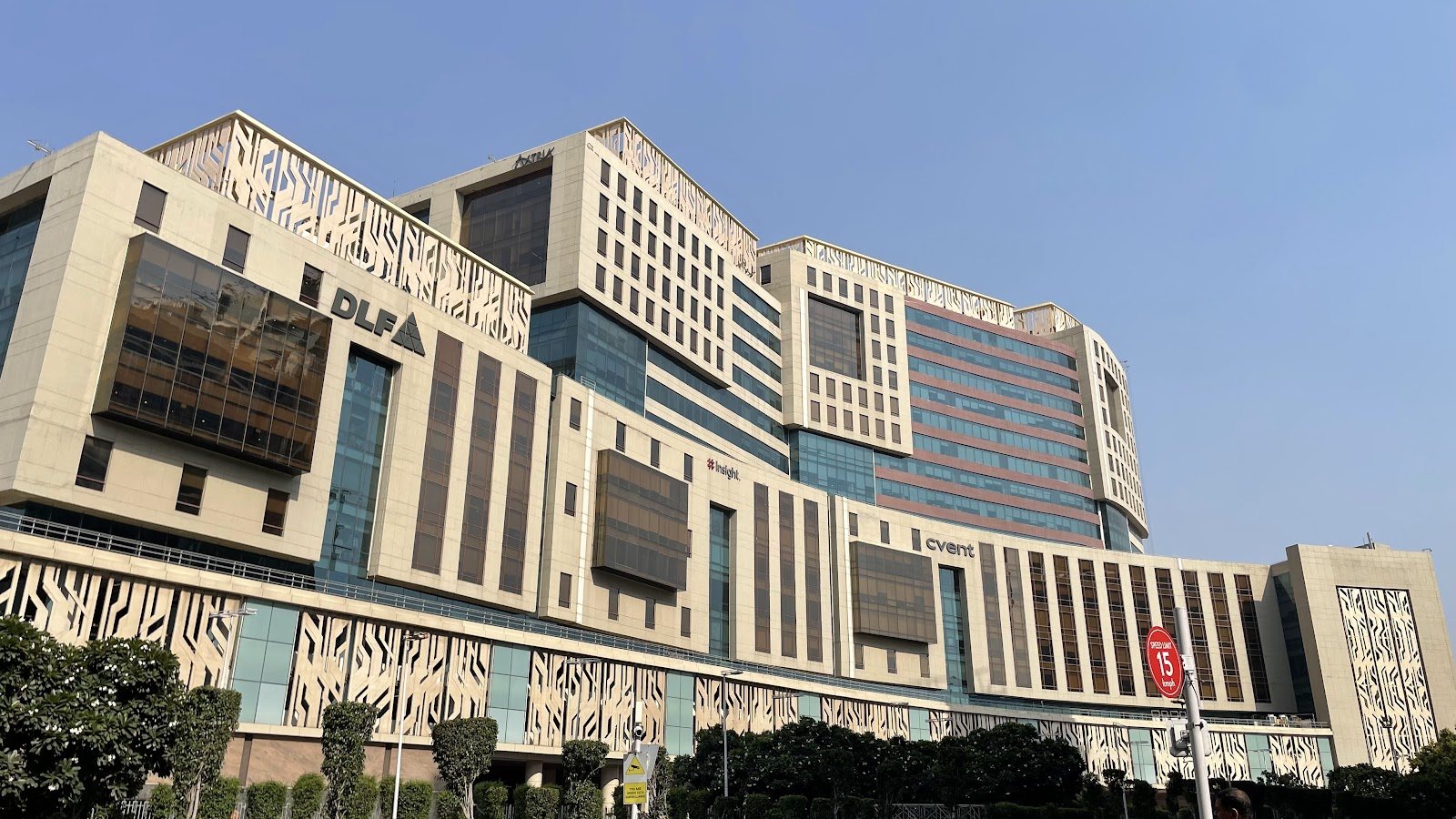
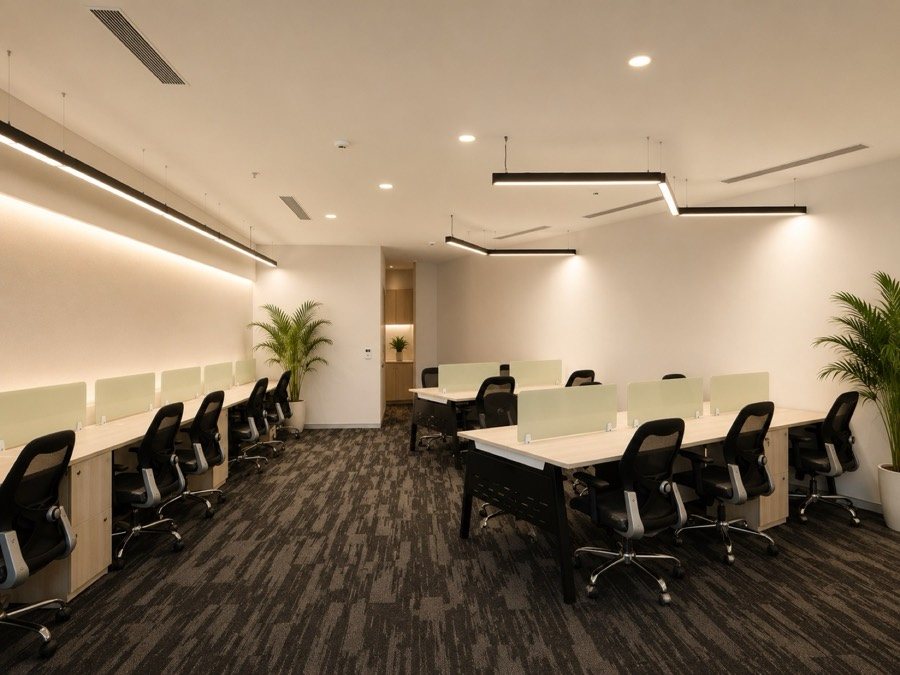
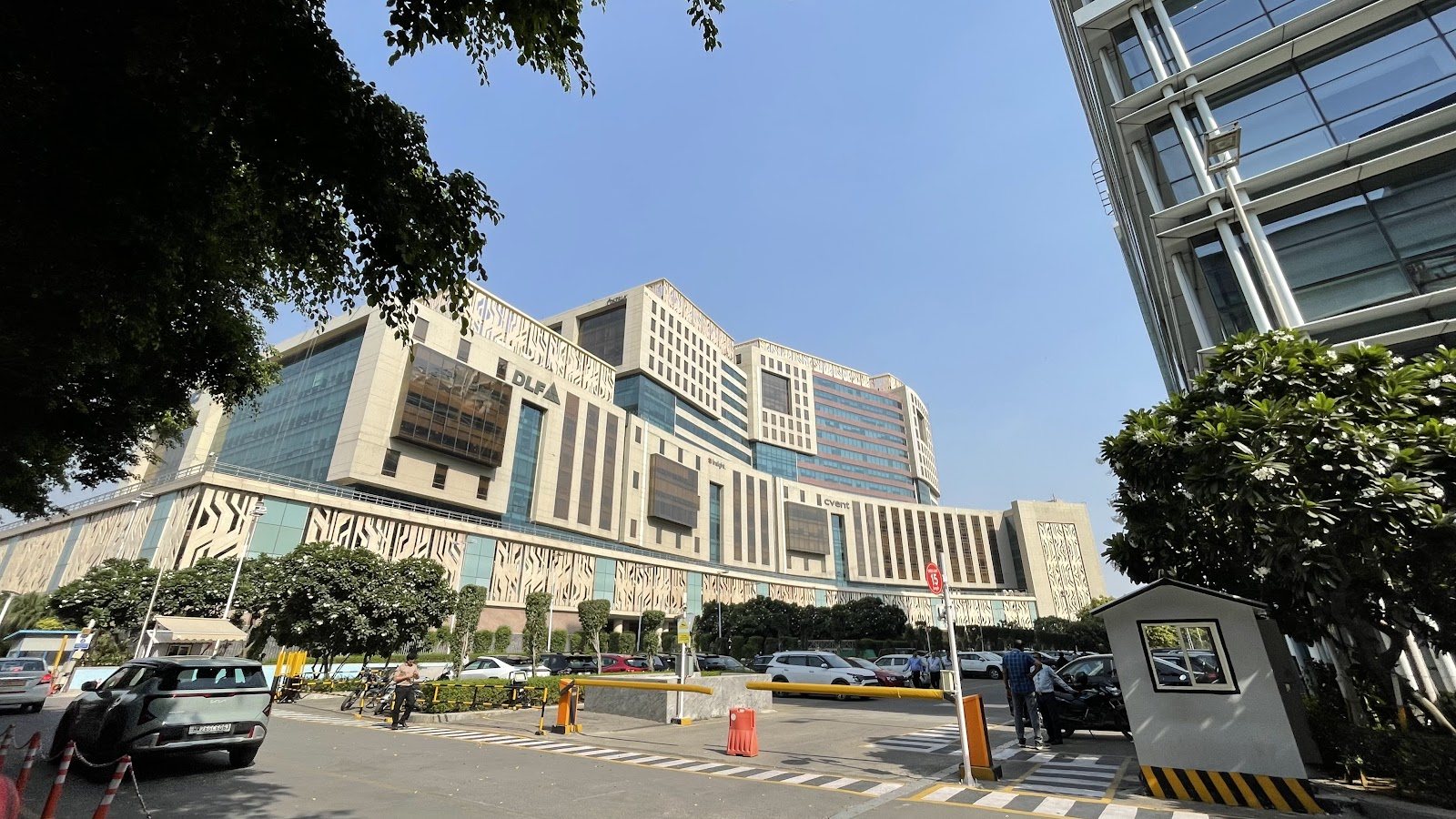
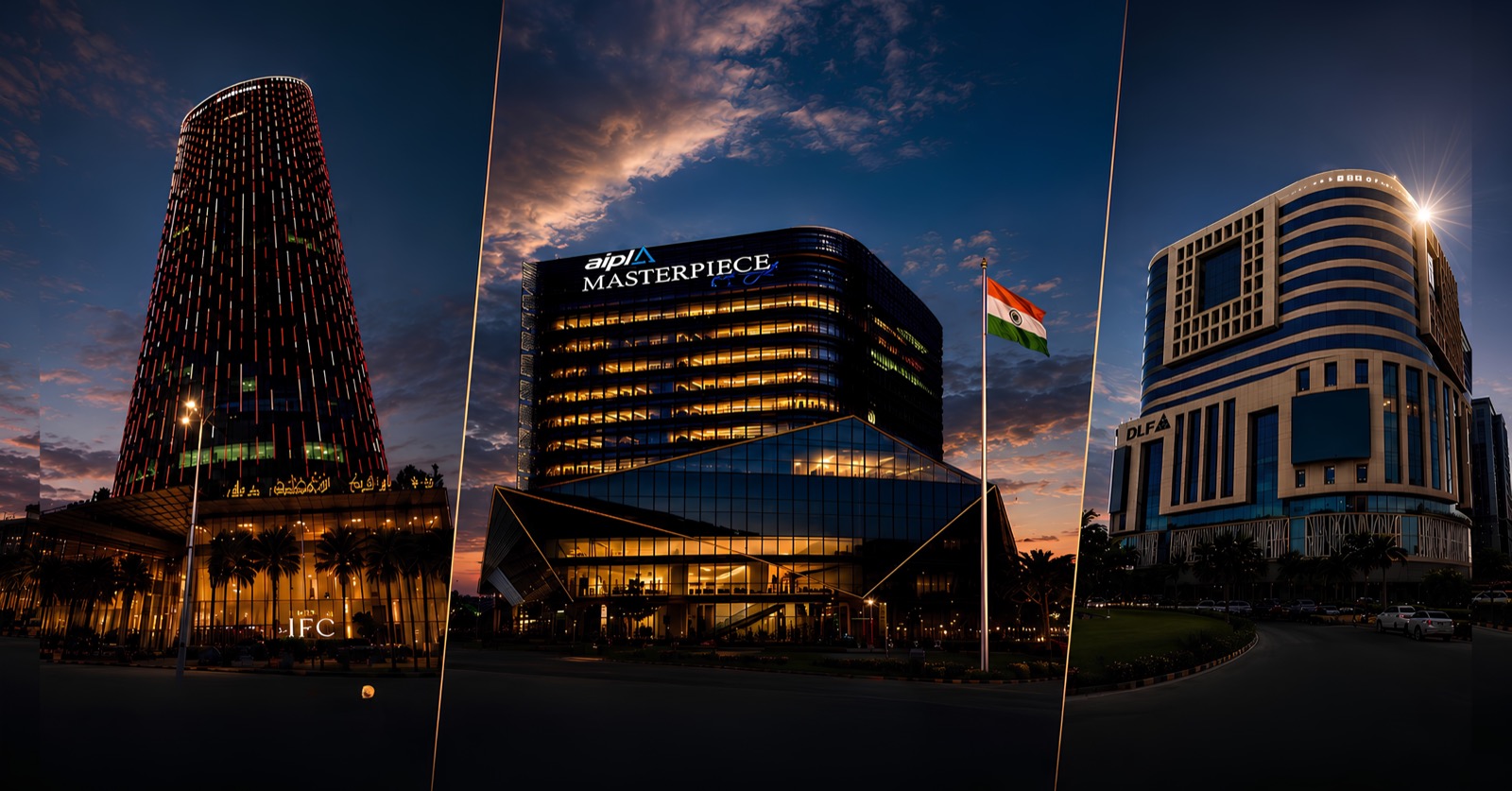
QAARYA provides managed private offices at M3M IFC, DLF Building 14 and AIPL Masterpiece. We offer an all-inclusive monthly fee plus GST, fit-out-ready cabins, 24x7 member access and a 12-month minimum term with flexibility afterward. What we cannot do is tell you what you will receive from the state. That depends on your project, your adviser's reading of the policy and the administration of the scheme.
What we can do is give you clear documentation and an itemised view of the fee, so that your finance team and adviser can test the position. Speak to us about invoice structure early, not at claim time.
The policy's own commitments, reported as a 7-working-day clearing system and 8% interest on delayed payments, suggest the state wants to be a predictable counterparty. Treat that as encouraging and verify it in practice. For a wider view of why Gurugram attracts new centers in the first place, read our Gurugram GCC guide, and for the office trade-off itself, see managed private office vs lease-and-fit-out. When you are ready to compare buildings, our workspace options list the three locations.
Planning a global capability center in Gurugram? See QAARYA's private office solutions for GCCs, or talk to the team on +91 96504 98482.
Frequently asked questions
What is the Haryana GCC Policy 2026?
The Haryana Global Capability Centres Policy 2026 is a state policy that offers capital expenditure support, operating expense support, rent-related incentives and a single-window clearance system to attract new global capability centers, with Gurugram as its main destination.
How much capex reimbursement does Haryana offer for GCCs?
According to JLL's summary of the policy, capex reimbursement is 50% in non-TOD Gurugram, 65% in Gurugram's transit-oriented development zones and up to 75% in selected other districts, with a cap of Rs 150 crore per project.
How long does operating expense support last under the policy?
JLL reports opex support of 5 years in non-TOD Gurugram, 7 years in Gurugram TOD zones and up to 9 years in some other districts, subject to annual caps such as Rs 0.75 crore per 100 employees or Rs 15 crore per year, whichever is lower.
Does the policy cover office rent?
JLL's summary describes a rent reimbursement component, structured at 75% of actual rent subject to a cap linked to property valuation and then reimbursed at the applicable tiered rate. Whether a managed-office fee qualifies as rent should be confirmed with the authorities and your adviser.
Should the incentive decide which Gurugram office we choose?
No. The incentive should improve the economics of a good office decision, not drive it. Choose the space on talent access, security, flexibility and cost, then check how the policy applies to that choice.
Can a Nano GCC benefit from the Haryana GCC Policy 2026?
It depends on the notified eligibility conditions. Secondary summaries mention minimum headcount thresholds and timing conditions, so a Nano GCC of high-impact compact teams should confirm with an adviser whether and when it would qualify before relying on any incentive.