Premium Managed Offices
Key takeaways
- Most of what makes an office feel like yours can be customized in a managed private office: layout, furniture, finishes, branding, IT, access control and the meeting-room mix.
- What usually cannot change: the building’s structure, facade, core services, fire systems and shared common areas.
- A rule of thumb: cosmetic changes take days, furniture and branding take weeks, and new walls or rooms take longer, depending on approvals and lead times.
- Custom requirements are typically quoted upfront, either as a one-time charge or folded into the monthly fee. Get the quote in writing before you sign.
- Customization sits on top of a building the operator has already fitted out, which is why it is far cheaper than a full fit-out; Cushman & Wakefield puts India’s fit-out costs at roughly USD 65 to 73 per sq ft.
- Send the operator a one-page brief covering headcount, room mix, brand standards, IT and security needs, and your move-in date.
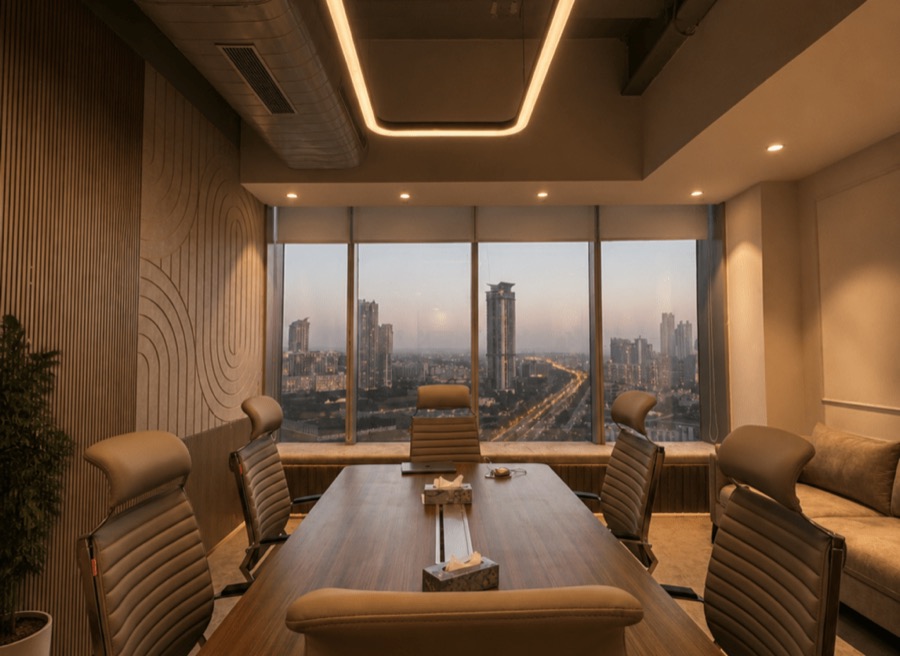
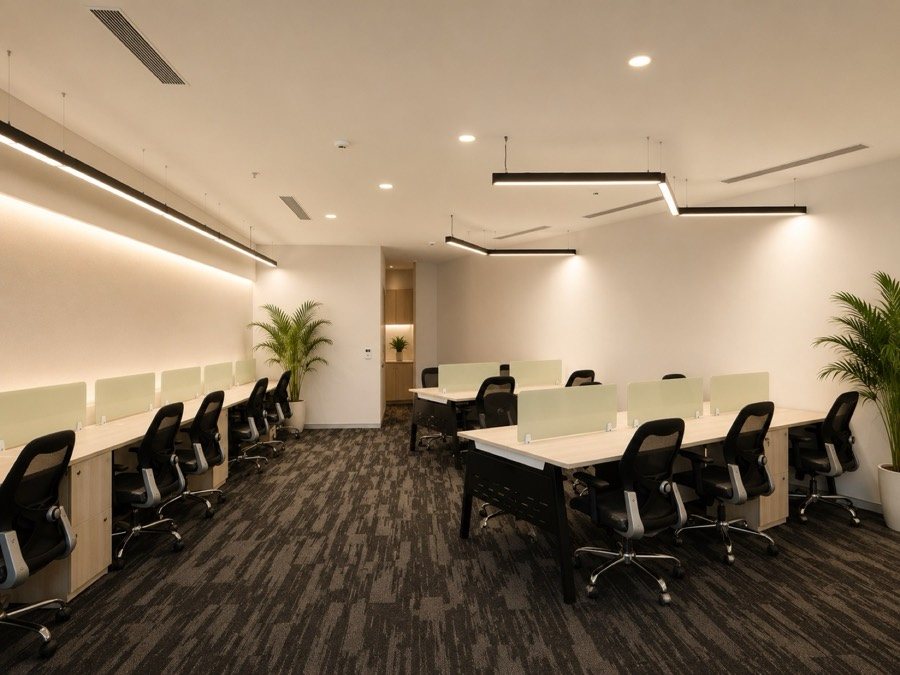
The most common objection to a managed office is that it will look like a managed office: the same chairs, the same grey carpet, the same logo on the door as every other tenant. That was a fair complaint a decade ago. It is much less true now. In a good managed private office, most of what makes a workspace feel like yours can be changed, from the layout and furniture to the branding, network and meeting rooms. The real questions are what can change, what cannot, how long it takes and who pays.
This guide answers all four, and ends with a short brief you can send an operator before you sign.
Why office customization matters more than it used to
Flexible space is no longer a stopgap for startups. Cushman & Wakefield reports that flex operators leased 191,306 seats across India’s top eight cities in the first half of 2026, and that global capability centers took 44% of them. Those occupiers have brand standards, security policies and IT requirements written at headquarters. They will not accept an office that ignores them.
Smaller companies have the same need at a smaller scale. A founder hiring senior people, a consulting firm hosting clients, or a sales office representing a global brand all use the office to say something about who they are. A generic suite says nothing. A customised office space says the company is here to stay.
Customization is not decoration. Done well, it fixes the things that make an office work: the right number of rooms, the right desks for the work, a network IT can trust and doors that only open for the right people.
What you can usually customize
Within a private suite, operators can typically change seven things. The table summarises each, with an indicative effort level.
| Area | Typical changes | Effort and lead time (illustrative) |
|---|---|---|
| Layout | Cabins vs open desks, partition positions, a manager cabin, a reception nook | Medium to high: new walls need design and materials |
| Furniture | Desk sizes, sit-stand desks, chairs, storage, lounge pieces | Low to medium: depends on stock and lead times |
| Finishes | Paint colors, wall panels, flooring accents, lighting tone | Low to medium |
| Branding and signage | Logo on the door, wall graphics, frosting on glass, reception branding | Low: often days |
| IT and network | Dedicated VLAN or line, static IP, firewall rules, wired desks, AV in rooms | Medium: needs IT coordination |
| Access control | Suite-level card access, access logs, visitor rules, lockable storage | Low to medium |
| Meeting-room mix | A private meeting room inside the suite, phone booths, a larger boardroom | Medium to high: uses floor area |
The details worth asking about
- Layout: can partitions move later if the team grows, or are they fixed once built?
- Furniture: is there a standard catalogue, and can you bring your own chairs or desks?
- Branding: what is allowed on the corridor side of the door, and what only inside the suite?
- IT: can your IT team manage its own network segment, and who holds the admin rights?
- Access: can you get access logs for your suite if your security policy requires them?
- Rooms: does a room inside your suite reduce your shared meeting-room allowance?
What usually cannot change
Some things belong to the building, not the operator, and no amount of budget will move them. Knowing the limits early saves a wasted negotiation.
- Structure. Columns, beams, slab openings and window positions are fixed.
- Facade and external signage. Building owners usually control what appears on the outside of the tower, and many restrict tenant signage entirely.
- Core services. Lifts, risers, main electrical and plumbing routes and the central air-handling system stay where they are.
- Fire and life safety. Sprinkler heads, smoke detectors, exits and escape routes must follow approved layouts. New walls may require changes to these, which adds time and sometimes rules a layout out.
- Shared areas. The lobby, common corridors, pantry and shared meeting rooms serve every tenant and are not yours to redesign.
A practical test: if the change stays inside your suite and does not touch structure, fire systems or the building’s main services, it is probably possible. If it does, expect a no, or a long and expensive yes.
How long customization takes
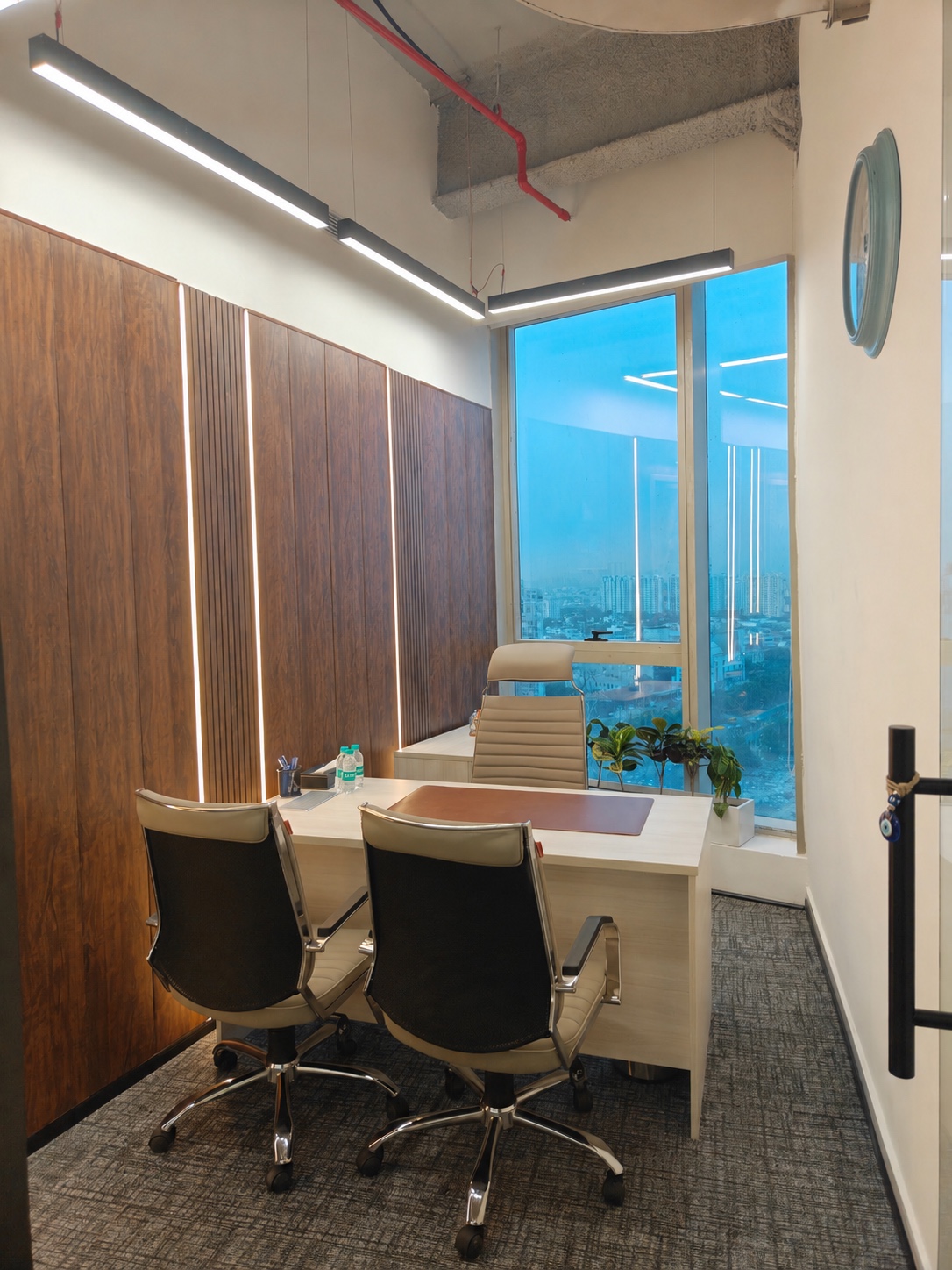
Timelines depend on scope, materials and approvals, not on effort alone. As a rule of thumb, use three bands.
- Cosmetic: days. Door and reception signage, wall graphics, glass frosting, rearranging existing furniture, minor paint.
- Furniture and IT: weeks. New desks or chairs from a catalogue, a dedicated network segment, meeting-room AV, suite access rules. Lead times for imported furniture can stretch this.
- Construction: longer. New partitions, a new cabin or meeting room, changes that touch ceilings, lighting circuits, air conditioning or fire systems. These can need design sign-off and building approvals.
The bands are illustrative. The practical point is that customization should be agreed before signing, with a dated schedule, so you know whether your team moves into a finished office or a work in progress. A sensible approach many teams take is to move into a ready suite on day one and schedule the larger changes in phases, so nobody waits on a contractor to start work.
How customization costs are usually handled
This is where buyers most often get surprised. There are three common ways operators price custom work, and the agreement should state which one applies.
- Absorbed. Small changes, such as signage or rearranging furniture, are often included, especially on longer terms.
- One-time charge. Larger work is quoted upfront and paid before or on completion.
- Amortised into the fee. The operator funds the work and recovers it through a higher monthly fee over the agreement term. This preserves your cash but ties the cost to the term, so leaving early may trigger a balance.
Whichever method applies, the rule is the same: custom requirements should be quoted upfront, in writing, before you sign. A verbal “we can do that” on a tour is not a quote.
Two other clauses matter. First, ownership: who owns custom furniture or equipment at the end of the term? Second, reinstatement: will you have to remove the changes, or pay to reverse them, when you leave? Our guide to managed office agreements, lock-in, notice and deposit explains how to read exit clauses. Confirm the final wording with your lawyer.
The cost angle: customization vs a full fit-out
Customization in a managed office is cheap compared with the alternative, because the expensive work is already done. In a conventional lease, you usually receive a bare or warm shell and pay for everything: partitions, ceilings, lighting, air-conditioning distribution, cabling, furniture and finishes. Cushman & Wakefield’s 2026 Asia Pacific Office Fit Out Cost Guide puts India’s major markets at roughly USD 65 to 73 per sq ft for a typical fit-out. For a few thousand square feet, that becomes a large capital outlay before the first person sits down, and most of it stays with the building when you leave.
In a managed office, the base build, services and standard furniture are already in place and paid for through the monthly fee. You pay only for the difference between the standard suite and the one you want. For most teams, that difference is signage, a few furniture changes, some IT work and perhaps a room. The figures here are illustrative; get real quotes for your scope.
The other saving is time. A full fit-out typically takes months of design, approvals and construction. Tailoring a ready suite can often be done in days or weeks, and the team can work while the larger items are completed.
A one-page customization brief for the operator
The fastest way to get an accurate quote is to send a short brief before the tour. Operators respond better to specifics than to “we want it to feel like us.” Cover these points.
- Headcount: today, in six months and in a year, with how many people in the office on a typical day.
- Room mix: cabins needed and for whom, private meeting rooms, phone booths, storage.
- Brand standards: logo files, colors, signage rules and any headquarters workplace guidelines.
- IT: network separation, bandwidth, static IP, wired desks, video-conferencing equipment, who manages devices.
- Security: access control, access logs, visitor policy, lockable storage, clean-desk requirements.
- Furniture: desk type, chair standard, anything you will bring yourself.
- Dates: target move-in date and which items can follow later.
- Budget approach: whether you prefer a one-time charge or an amortised fee.
Ask the operator to reply with a written scope, a price for each item, a schedule and the reinstatement terms. If two operators reply to the same brief, you can compare them properly.
Common customization mistakes
- Designing for the upside case. Building cabins for people not yet hired locks floor area into rooms that sit empty.
- Too many cabins. A cabin for one person can take the space of several desks. Give cabins to roles that need them, not to titles.
- Forgetting calls. Teams add a boardroom and forget phone booths, then take every call at their desks.
- Leaving IT to the last week. Network and security changes have the longest dependencies. Start them first.
- Ignoring the exit. Expensive custom work on a short term can cost twice: once to build and once to reverse.
Customization at QAARYA
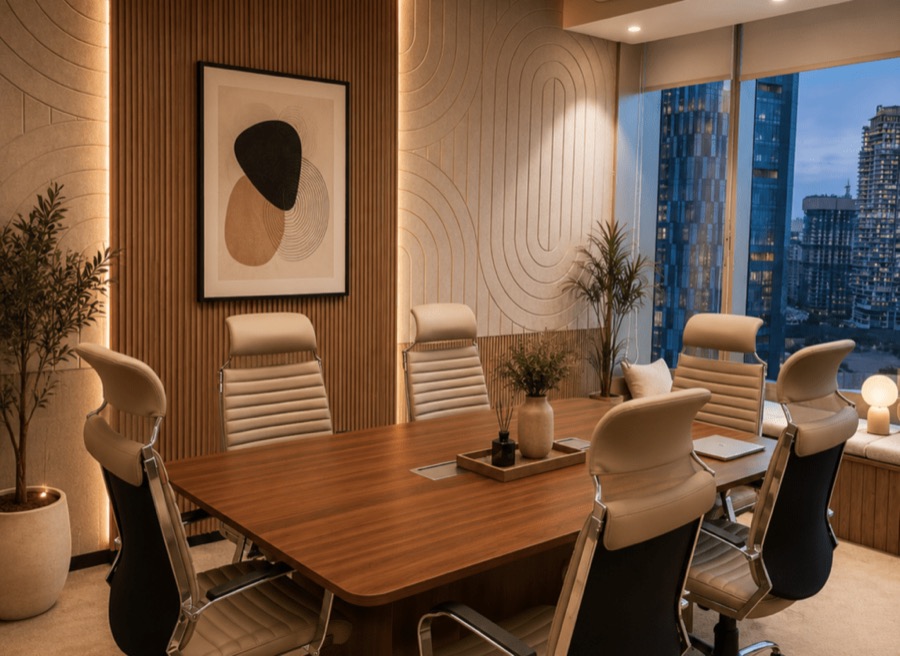
QAARYA treats office customization as part of the product, not a favour. Across its private offices at M3M IFC on Golf Course Extension Road, DLF Building 14 in DLF Cyber City and AIPL Masterpiece on Golf Course Road, layout, furniture, finishes and branding can be tailored to match a company’s headquarters and brand. Cabins arrive fit-out ready, so most teams move in within a few days of signing, and cabin, desk and meeting-room configurations can be adjusted as the team grows. The monthly cost covers essential amenities with GST on top, and custom requirements are quoted upfront.
For what to look for beyond the finishes, see what makes a managed office premium, or start with our guide to private office space in Gurugram. Scope, timing and pricing for specific changes are best discussed during a tour; you can browse the QAARYA spaces first.
The bottom line
A managed office can be yours in almost every way that matters day to day: the layout, the furniture, the brand on the walls, the network and the rooms. What it cannot change is the building itself. Decide what you need, put it in a brief, get every custom item quoted in writing with a date, and read the exit terms before you approve the work. Do that, and the old objection about every managed office looking the same simply stops applying.
Want an office that looks like your company, not the operator’s? See QAARYA’s customisable private office solutions, or talk to the team on +91 96504 98482.
Frequently asked questions
Can you customize a managed office?
Yes, in most cases. Managed private offices can usually be tailored in layout, furniture, finishes, branding and signage, IT and network set-up, access control and the mix of cabins and meeting rooms. Changes to the building structure, facade, fire systems and shared areas are generally not possible.
How long does office customization take in a managed office?
Cosmetic changes such as signage, wall graphics and furniture swaps can often be done in days to a few weeks. New partitions, extra cabins or a dedicated network take longer because they need design, materials and sometimes building approvals. Ask the operator for a dated schedule before you sign.
Who pays for customization in a managed office?
It depends on the scope and the term. Small changes may be absorbed by the operator, while larger custom requirements are usually quoted upfront, either as a one-time charge or spread across the monthly fee over the agreement. Always get the quote and the payment method in writing.
What cannot be changed in a managed office?
Building structure, columns, windows, the facade, lifts and core services, fire detection and sprinkler layouts, and shared spaces such as the lobby and common corridors are usually outside your control. Some buildings also restrict external signage and changes that affect neighbouring tenants.
Can a managed office match my company’s brand standards?
Many operators can match a company’s brand and headquarters standards within a private suite, including colors, signage, wall graphics, furniture and finishes. Share your brand guidelines and any global workplace standards with the operator early so they can be quoted and scheduled.
Will I have to remove customizations when I leave a managed office?
Possibly. Some agreements require you to reverse custom work or pay for reinstatement at exit, while others leave neutral improvements in place. Check the exit and reinstatement clause before you approve any custom work, and confirm the terms with your lawyer.